Wi-Fi 6, 6E, and Wi-Fi 7 Explained: Evolution of High-Density Wireless Standards
A technical breakdown of modern wireless standards: OFDMA, 6 GHz spectrum, Multi-Link Operation, and enterprise capacity enhancements.
Insights, updates, and practical guides from our engineering team.
A technical breakdown of modern wireless standards: OFDMA, 6 GHz spectrum, Multi-Link Operation, and enterprise capacity enhancements.
A guide to IEEE 802.1Q VLANs and defense-in-depth network segmentation: broadcast containment, trunking, inter-VLAN routing, and security.
An examination of the governance, consensus procedures, and working group lifecycles behind open internet protocols across IETF, IEEE 802, and the W3C.
A rigorous engineering guide to core network quality metrics: propagation delay, RFC 3393 jitter formulas, packet loss ratios, and VoIP impact.
A technical breakdown of internet speed test mechanics: single vs multi-stream TCP tests, bufferbloat effects, server distance, and RFC 6349.
A guide to broadband economics and network capacity: statistical multiplexing, contention ratios, Committed Information Rates, and SLAs.
A guide to public hotspot architecture: HTTP interception, RFC 8908/8910 captive-portal API identification, and RADIUS authentication.
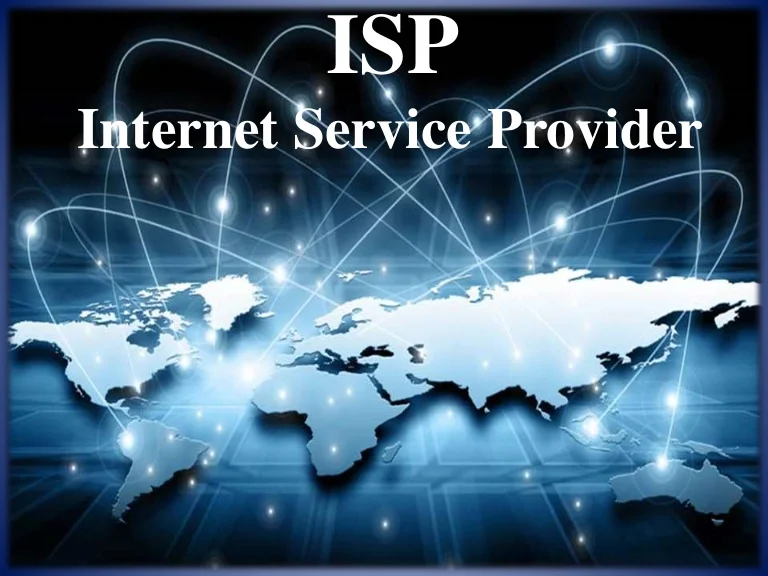
ISP stands for Internet Service Provider. An internet service provider is a type of company that provides a user with access to the Internet. Usually, an ISP provides services for accessing, using, or participating on the internet. You can get an internet connection for you or for your organization. So, an ISP is the link […]